The Benefits of Bedside Cribs for Attachment Parenting
Attachment parenting is a child-rearing viewpoint that highlights the significance of forming a strong emotional bond between a moms and dad and kid. One of the essential parts of this approach is co-sleeping, which promotes close physical distance in between parents and their infants. Bedside cribs have actually gained significant popularity as a useful and safe sleeping option that enables parents to practice attachment parenting successfully. This post looks into the benefits of bedside cribs, their features, and crucial factors to consider for parents.
What is a Bedside Crib?
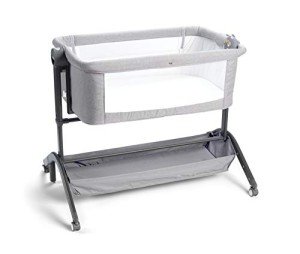
A bedside crib, also known as a sidecar crib, is a kind of infant sleeping arrangement that attaches securely to the side of a moms and dad's bed. This design allows the baby to oversleep their own different space while maintaining easy access for feeding, reassuring, and monitoring. Bedside cribs come in different styles, from easy mesh designs to wooden cribs that match the decor of the parents' bed room.
Secret Features of Bedside Cribs
When considering a bedside crib, it's important to examine its features to guarantee it fits the needs of both parent and baby. Here are some essential characteristics to look out for:
| Feature | Description |
|---|---|
| Adjustable Height | Numerous bedside cribs have adjustable height settings to line up with the parent's mattress. |
| Side Panel Access | A side panel that can be reduced enables easy access to the baby during the night. |
| Durable Construction | Premium materials, such as solid wood or long lasting metal frames, provide stability and safety. |
| Security Features | Search for cribs with security certifications and functions such as secure locking mechanisms. |
| Breathable Materials | Bedside cribs often use breathable materials to promote air flow, reducing the risk of suffocation. |
Benefits of Bedside Cribs for Attachment Parenting
1. Promotes Bonding
Bedside cribs facilitate a nurturing environment where infants can notice their parents' existence, which promotes psychological security and attachment. The close proximity assists parents respond more quickly to their baby's needs throughout sleep, promoting a sense of security and trust.
2. Ease of Feeding
For breastfeeding moms, bedside cribs provide unequaled benefit for nighttime feeding. Moms can easily reach their baby without getting out of bed, making late-night feedings less disruptive for both moms and dad and kid.
3. Minimizes Risks Associated with Co-Sleeping
While co-sleeping can promote attachment, it also brings dangers such as suffocation and falling. Bedside cribs offer a compromise, providing a safe sleeping space for the baby while still allowing parents to sleep close by.
4. Much Better Sleep for Parents
Since parents can address their baby's needs without fully waking or leaving the bed, they can maintain better sleep quality. This is particularly essential throughout the early months when sleep deprivation can take a toll on parental wellness.
5. Increased Convenience
With a bedside crib, parents can easily monitor their baby's movements and listen for any nighttime fussing, permitting quicker interventions when necessary. This benefit is especially useful for parents requiring to handle their time efficiently.
Picking the Right Bedside Crib
When choosing a bedside crib that aligns with the principles of attachment parenting, parents must consider several aspects:
- Safety Standards: Always choose a crib that meets security policies and guidelines to guarantee the infant's wellness.
- Size Compatibility: Ensure the crib fits firmly next to the parent's bed and can be changed for height.
- Ease of Access: Look for features that permit easy side access, especially beneficial for breastfeeding.
- Portability: If travel becomes part of household life, consider a crib that is light-weight and quickly transportable.
- Spending plan: Bedside cribs been available in a variety of price varieties. There are click here! that do not jeopardize on safety or quality.
Regularly Asked Questions (FAQs)
Q1: Are bedside cribs safe for newborns?A1: Yes, bedside cribs are developed with safety functions to ensure a safe sleeping environment for newborns. Constantly follow the producer's standards and security standards. Q2: Will my baby grow out of a bedside
crib quickly?A2: It depends upon the design. Most bedside cribs can accommodate
infants as much as 6-12 months, but it's vital to inspect the weight and height limitations defined by the producer. Q3: Can I use a bedside crib if I have a smaller sized bed?A3: Yes, lots of bedside cribs are adjustable and
can be aligned with different bed sizes. Always ensure the attachment is safe. Q4: How does a bedside crib vary from co-sleeping? A4: Co-sleeping includes sharing the same sleep surface area
, while bedside cribs supply a different sleeping
space for the baby, preserving safety and promoting attachment. Q5: Can I use a bedside crib if I'm not breastfeeding?A5: Absolutely! Bedside cribs are helpful for all parents and caregivers, making it easier
to comfort and participate in to a baby, despite feeding methods. Bedside cribs represent an important tool for parents who accept attachment parenting. Bedside Cot For Contemporary Design permit physical closeness however also improve safety and convenience during the newborn stage. Parents need to carefully select a bedside crib that complies with safety requirements and fits their lifestyle, ensuring a supporting environment for both baby and parent. By promoting bonding, ease of feeding, and much better sleep for parents, bedside cribs play a considerable role in cultivating the principles of attachment parenting-- a fulfilling journey that supports a stronger, caring connection between parents and their kids.